Pollution & Environmental Liability for debris haulers
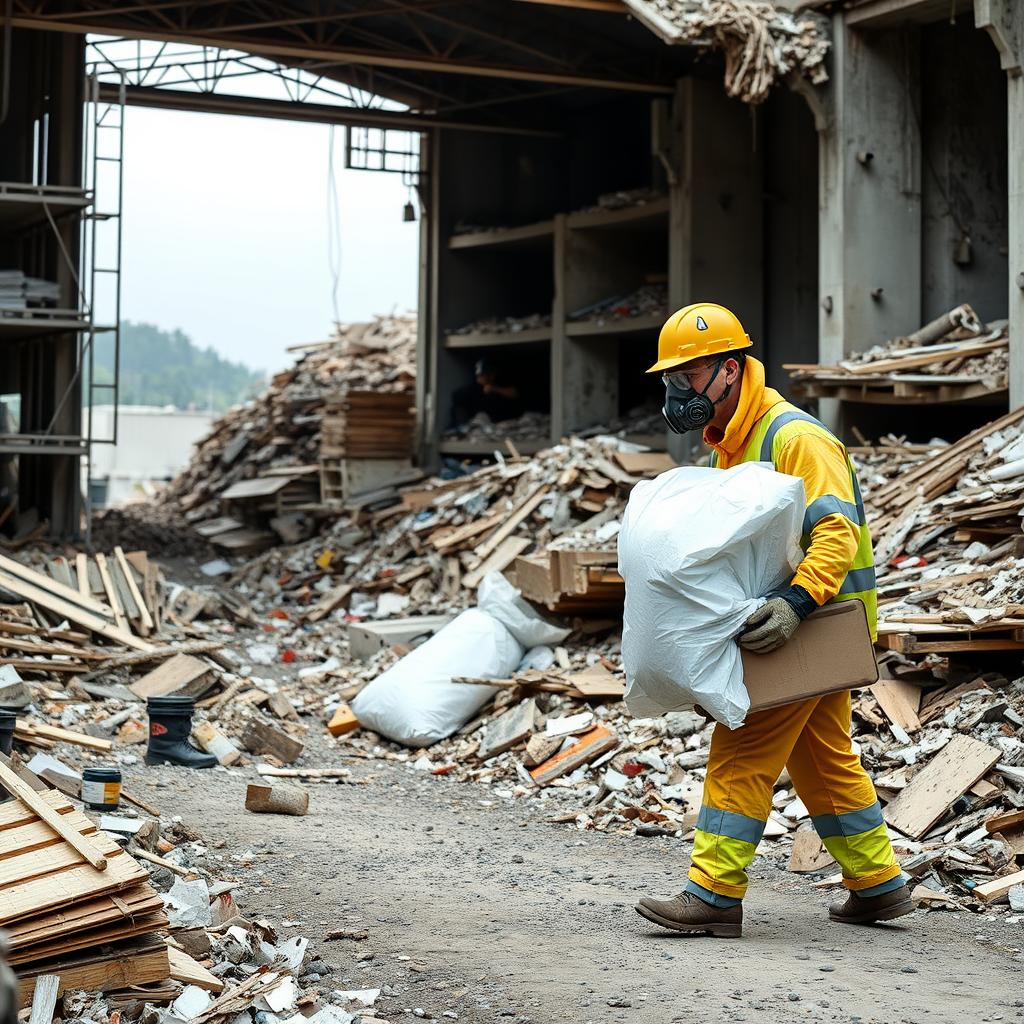
Covers the environmental exposure most hauling policies exclude — construction and demolition debris containing asbestos, lead or silica, contaminated soil, fuel and chemical spills, and the cleanup and third-party claims that follow a release at a jobsite or disposal facility.
What it covers
- Cleanup and remediation costs on and off your site
- Third-party bodily injury from a release
- Property damage from contaminated debris or spills
- Defense costs for environmental claims
- Sudden and gradual (non-sudden) pollution coverage
- Coverage for regulated loads — asbestos, lead, contaminated soil
Who it's for
- Demolition and construction-debris haulers
- Storm-debris contractors handling regulated materials
- Operations hauling contaminated soil or fuel
- Any hauler whose standard GL excludes pollution (most do)
Why CCA
- Pollution coverage written for hauling — not a generic extension
- We document your handling procedures to support placement
- E&S environmental markets for haulers standard carriers decline
Common questions about pollution & environmental liability
Almost never. Standard GL policies contain a pollution exclusion that removes coverage for the discharge of hazardous materials or waste. A spill of contaminated soil, asbestos, or fuel during debris hauling is excluded without dedicated environmental liability.
Any operation hauling construction and demolition debris (asbestos, lead, silica), contaminated soil, storm debris that may contain regulated materials, or fuel and chemicals on the truck. If there is any chance a load is questioned at disposal, you want pollution coverage in place.
Sudden coverage pays for an abrupt release — a fuel spill, a tipped load of contaminated material. Gradual coverage pays for slow releases over time. Haulers usually want both, and many basic forms cover only sudden, leaving a real gap.
Yes — environmental liability covers the cost of cleanup and remediation on and off your site, third-party bodily injury and property damage from a release, and defense costs. Cleanup alone can run into six or seven figures, which is why the coverage matters.
Often yes. We have environmental markets for contractors who handle asbestos, lead, contaminated soil, and other regulated debris — classes that standard carriers decline. We document your handling procedures to support placement.
Frequently. Many municipal and commercial demolition-debris contracts require proof of environmental liability before awarding the work, because of the regulated materials demo waste can contain. We make sure your coverage meets the contract.
Cost is driven by fleet size and truck value, driver MVRs, radius of operation, cargo type, payroll, equipment value, and loss history. We quote your actual operation in about 15 minutes — never a generic ballpark from a standard business form.
Yes. Contractors Choice Agency is licensed in all 50 states and writes programs for junk haulers, dump truck operators, roll-off contractors, and storm-debris crews nationwide.
Typically about 15 minutes on a call. Larger fleets or higher-hazard operations may take a day or two to place with the right specialty markets, but we move fast and set expectations up front.
Often yes. We have admitted and E&S markets for haulers declined over new MC authority, prior accidents, a DOT recordable, or class-of-business issues. Bring us your situation and we will find a market.
Usually yes. A coordinated program closes gaps between policies, is typically cheaper than separate policies from separate carriers, and is far easier to manage at renewal and claim time.
A.M. Best ratings reflect a carrier's financial strength and ability to pay claims. We place coverage with A-rated (and A.M. Best A+ where possible) carriers so the coverage is there when a serious truck accident, injury, or pollution claim hits.
Yes. Storm-debris work introduces amplified exposures and contract requirements — higher limits, additional insureds, and FEMA or municipal endorsements. We add the coverage and endorsements storm contracts demand.
Most GCs, property managers, and municipalities require at least $1,000,000 general liability and $1,000,000 auto liability, often with a commercial umbrella above it. We make sure your limits meet the contracts you actually bid.
Fleet list with VINs and values, driver list with license numbers and dates of hire, radius of operation, cargo types, payroll, current coverage and loss runs, and your MC/DOT number if you have one. The more detail, the more accurate the quote.
It can, with the right structure. If you cross state lines or haul for hire under interstate authority, we make sure your auto, liability, and cargo coverage follow you without gaps — including filings like MCS-90 where required.
Yes. Owner-operators running under their own authority need their own truck policy, while leased-on operators may be covered under the motor carrier's policy with a contingent or bobtail policy for off-duty use. We structure the right arrangement for how you actually run.
Yes. From a single truck to a fleet of dump trucks, roll-offs, and support vehicles, we build one coordinated program with shared limits, fleet credits, and a single renewal — far cleaner than a policy per vehicle.
Your auto liability responds up to the policy limit for bodily injury and property damage to others, and physical damage covers your truck subject to the deductible. If the claim exceeds your limits, a commercial umbrella responds above it — which is why limit sizing matters so much in this trade.
Yes. Foreclosure, estate, and hoarding cleanouts add exposure to biohazards, mold, and abandoned-property conditions. We structure GL, pollution, and workers' comp that account for the realities of cleanout work — not a generic junk-hauling policy.
Pair it with related coverage
Ready to protect your hauling operation?
Get a 15-minute quote from specialists who understand debris removal — dump trucks, roll-offs, junk hauling, and the pollution exposure of demolition debris.