Roll-Off Dumpster Insurance: What Operators Need to Know
By Josh Cotner
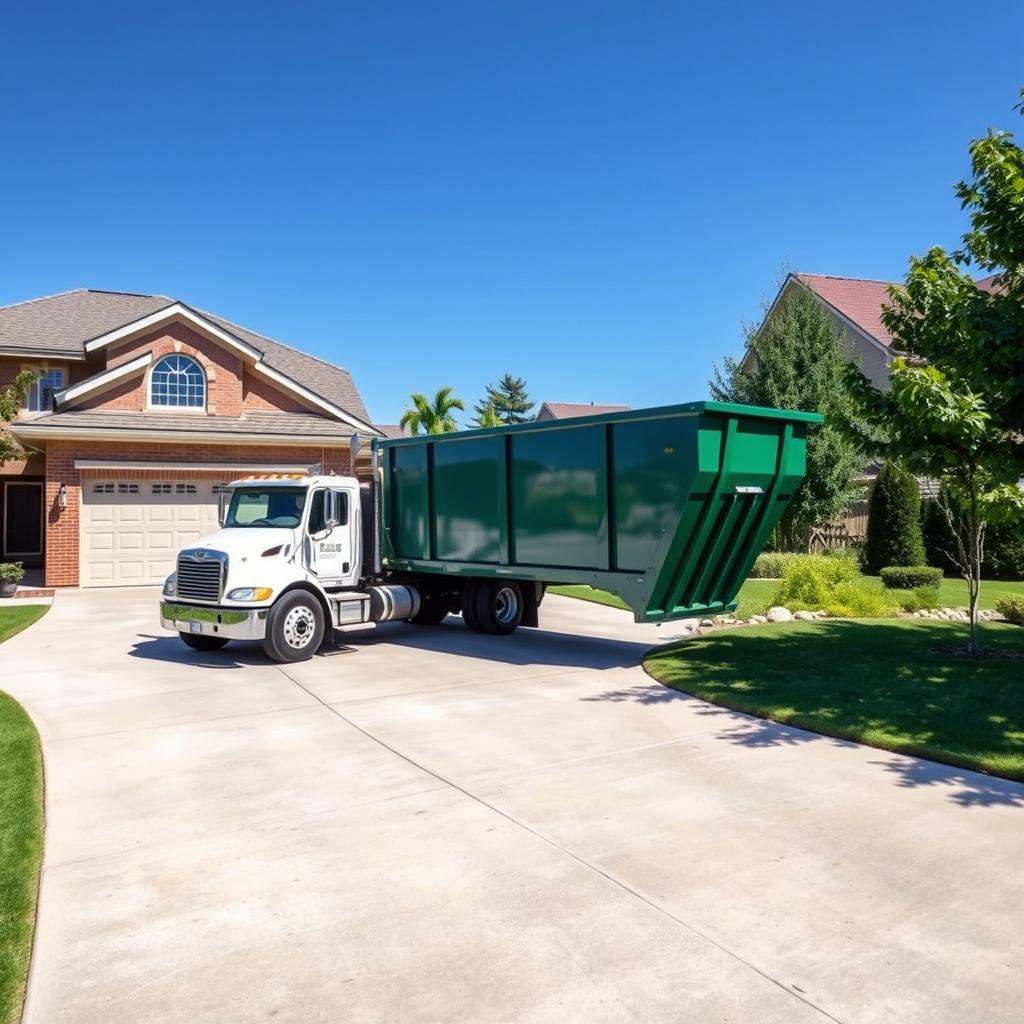
Roll-off dumpster operators sit in a unique insurance position. Unlike most dump trucks that haul and go, roll-off contractors leave equipment on client property — sometimes for days or weeks at a time. That changes the liability picture considerably. Your dumpster is sitting in a driveway while a homeowner's contractor fills it, while cars drive past it on a public street, and while weather and traffic interact with it around the clock.
Most standard commercial auto or GL policies weren't built for this. Roll-off dumpster insurance is a specialty line — here's what it covers and why it matters.
What Roll-Off Dumpster Insurance Covers
A properly structured roll-off program typically combines several coverages into one coherent program:
Roll-Off Truck Liability and Physical Damage
Your roll-off trucks are commercial vehicles with significant cargo capacity and specialized hydraulic equipment. The commercial auto portion of your program covers:
- Liability — bodily injury and property damage you cause while driving or maneuvering the truck during delivery and pickup.
- Physical damage — collision and comprehensive coverage on the truck itself.
- Unloading operations — coverage while the truck is deploying or retrieving a container, not just while driving.
The unloading operations piece matters specifically for roll-off trucks because much of your liability exposure happens when the truck is stationary — deploying a container into a tight driveway, retrieving a full box in a crowded lot, navigating overhead hazards like power lines.
Container (Dumpster) Coverage
Your containers are valuable equipment — a single 20-yard roll-off dumpster can cost $3,000–$6,000 new, and large fleets represent significant asset value. Standard commercial auto policies don't cover containers left off the truck. You need either:
- Inland marine coverage for containers as scheduled equipment, or
- A container floater endorsement that covers dumpsters while they're on customer property, in transit, or in your yard.
This covers theft of containers (yes, it happens — scrap metal theft is real), vandalism, and physical damage from incidents while the dumpster is deployed.
General Liability While the Dumpster Is on Client Property
This is the coverage most roll-off operators underestimate. Once your dumpster is sitting on a client's driveway, you have an ongoing liability exposure that exists independent of your truck or your crew's presence. Your GL policy needs to cover:
- Property damage caused by the dumpster's weight on a driveway or surface.
- Bodily injury if a person trips on, falls into, or is injured by the container.
- Damage to adjacent structures if the container is placed incorrectly.
Specific Scenarios Roll-Off Insurance Addresses
Scenario 1: A car hits your dumpster at night. A homeowner's contractor rented a dumpster that was placed near the curb. A car clips it at night. The dumpster is damaged, and the car has significant damage. Your inland marine covers dumpster repair. Your GL — specifically the "products and completed operations" or "premises operations" coverage — responds to the third-party property damage claim. Whether you're liable depends on placement and signage, but having coverage in place is what keeps a bad situation from becoming ruinous.
Scenario 2: A client claims your dumpster cracked their driveway. A concrete driveway in poor condition cracks under the weight of a full 20-yard dumpster. The client wants $6,500 for resurfacing. This is a GL claim — property damage caused by your operations. A GL policy covering your roll-off business responds here. Without it, you're paying out of pocket or fighting the client in small claims court.
Scenario 3: Someone throws away something they shouldn't have. A tenant at an apartment complex your company services tosses what turns out to be chemical waste. When the load reaches the transfer station, hazardous materials are discovered and the load is rejected, requiring special disposal. Pollution liability — not standard GL — covers the resulting costs.
Scenario 4: A child climbs on the dumpster and is injured. Attractive nuisance doctrine aside, if a child on a neighboring property climbs on or into a deployed dumpster and is hurt, the family may bring a liability claim against your business. Your GL covers bodily injury claims of this type.
Why Roll-Off Dumpster Insurance Is a Specialty Line
Standard commercial auto programs are built for vehicles that move cargo from A to B and aren't expected to leave equipment behind. Standard GL programs aren't designed to account for extended liability exposure while containers sit on third-party property.
Roll-off dumpster operations require a carrier that:
- Understands the deployed container exposure and explicitly covers it.
- Can write GL and commercial auto together in a coherent program that doesn't leave gaps between policies.
- Has experience with dumpster placement liability and what real claims look like in this space.
This is why roll-off operators benefit significantly from working with specialty brokers who write debris removal and waste-hauling contractors. A generalist agent quoting you standard commercial auto and a generic GL policy may produce a program with meaningful gaps — specifically around deployed container liability and container physical damage — that you won't discover until a claim is denied.
What CCA Structures for Roll-Off Operators
Contractors Choice Agency specializes in building insurance programs for debris removal and waste-hauling contractors, including dedicated roll-off dumpster operators. A typical program we structure includes:
- Commercial auto with proper unloading operations endorsements for your roll-off trucks.
- GL with explicit coverage for deployed container operations, written with limits appropriate to your customer base and contract requirements.
- Inland marine / container floater covering your dumpster inventory whether in your yard, in transit, or on a client's property.
- Pollution liability if you operate in markets where hazardous or special-waste material may enter your containers.
- Umbrella for operators with large fleets or commercial/municipal contracts requiring elevated limits.
If you're running a roll-off dumpster business and haven't had your program reviewed by a specialist recently, it's worth doing — especially if your current policy was placed by a generalist agent without a specific focus on waste hauling or debris removal contractors.
Need this coverage for your hauling operation?
Get a real quote in about 15 minutes — we shop A-rated specialty trucking and contractor markets.