Storm Debris Cleanup Insurance: What Contractors Need After a Disaster
By Josh Cotner
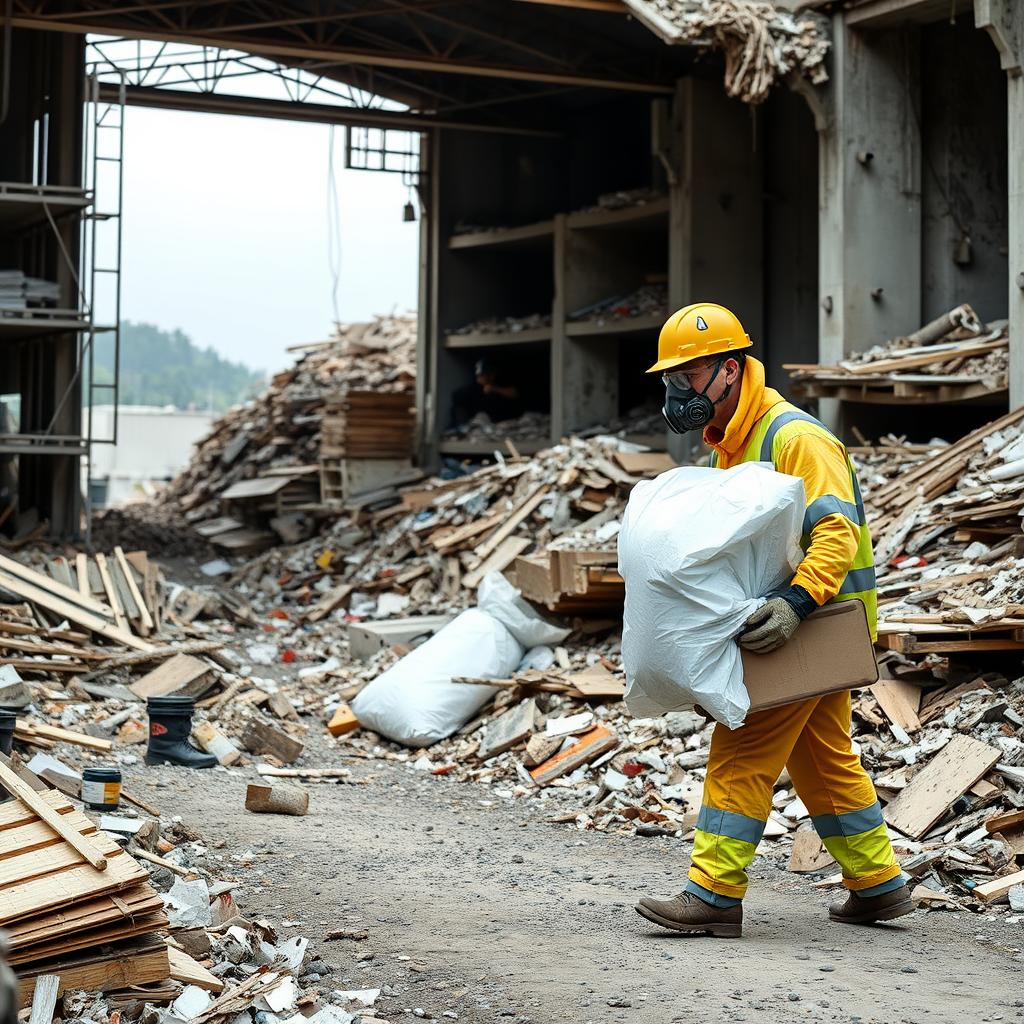
When a hurricane, tornado, or ice storm tears through a region, the demand for debris removal contractors spikes overnight. Municipal contracts get issued, FEMA programs activate, and crews that normally haul construction waste or residential junk find themselves clearing downed power lines, collapsed trees, structural debris, and storm-damaged materials from properties they've never been to before.
It's lucrative work. It's also some of the most hazardous work a debris contractor can do — and your standard insurance program may not be built for it.
Why Post-Storm Work Creates Extra Insurance Risk
Normal debris removal happens on familiar job types under controlled conditions. Post-storm debris work is different in nearly every way:
Emergency conditions. Crews are often working in the immediate aftermath of a storm — wet, unstable, and partially lit environments. Roads may be compromised, properties may still be structurally unsafe, and the pressure to work fast creates a real injury exposure.
Unknown property conditions. When you're clearing debris from a dozen residential properties in a day, you don't have the site knowledge you'd have on a repeat commercial account. Hidden hazards — underground utilities, unstable soil, weakened structures — become real claims.
Stressed and mixed materials. Storm debris isn't sorted. You're hauling whatever was on or in a structure when the storm hit: insulation, roofing materials, treated lumber, household chemicals, electronics, HVAC refrigerants. Commingled debris creates both pollution exposure and disposal complications.
Compressed timelines. Government contracts typically require rapid clearance of roadways and debris fields. The time pressure increases accident rates and reduces the careful material-by-material assessment that helps avoid pollution and property damage issues.
What Coverage Storm Cleanup Crews Need
General Liability with Completed Operations
Your GL policy is the primary protection for property damage and bodily injury during debris removal operations. But for storm cleanup work, the completed operations extension matters as much as the operations coverage itself.
Completed operations covers claims that arise after the job is done. A property owner who discovers that your crew removed a structural retaining element with the debris, or left behind material that later caused a drainage issue, can bring a claim weeks or months after the cleanup. Make sure your GL explicitly includes completed operations coverage and that the policy period covers the tail.
For government contracts, minimum GL limits are typically $1,000,000 per occurrence / $2,000,000 aggregate. Some state and federal contracts require $2M/$4M. Umbrella coverage is often required.
Workers' Compensation
Debris removal is already physically demanding. Post-storm work amplifies every injury risk: slippery conditions, irregular debris surfaces, heavier and more awkward loads, and fatigued crews working overtime. Workers' comp is legally required in most states if you have employees, and storm cleanup scenarios — with higher injury frequency — are exactly why.
If you're taking on additional seasonal or surge workers for a storm cleanup contract, make sure they're on your policy. Misclassifying temporary workers as independent contractors to avoid workers' comp is a common mistake that creates serious legal and financial exposure.
Commercial Auto
Your trucks are running more routes, on damaged roads, through high-congestion disaster areas, often by drivers working extended hours. The accident rate in post-storm operations is elevated. Commercial auto liability and physical damage coverage on your entire fleet is essential, and if you're renting or leasing additional trucks to handle surge volume, make sure those vehicles are covered under your policy or a separate hired/non-owned auto endorsement.
Pollution Liability
This is the coverage most debris contractors overlook — and it's the one that creates the largest surprise claims in post-storm operations.
A standard GL policy excludes pollution. When you're hauling storm debris that contains treated wood, asbestos (common in older structures), refrigerants from HVAC systems, household chemicals, or roofing materials with embedded contaminants, you have pollution exposure. If a load leaks in transit, if a dumpster at a staging area contaminates soil, or if material handling at a temporary debris management site causes an environmental issue, you need pollution liability to respond.
Post-disaster environmental regulations are often heightened. FEMA-funded debris operations have specific disposal and handling requirements, and violations can trigger regulatory liability in addition to third-party claims.
How to Get Insured Fast After a Storm Event
Contractors who aren't already insured at adequate limits face a real problem when a storm creates surge demand: insurers are cautious about writing coverage in the immediate post-disaster window, and getting a new policy in place can take days or weeks.
The contractors who win storm cleanup contracts — especially government and FEMA-funded contracts — are the ones who already have a proper program in place before the storm happens. Trying to get insured after the declaration is issued means competing with every other debris contractor in the region trying to do the same thing, often in a tightened market.
If you anticipate doing storm cleanup work — and if you're a debris removal or dump truck contractor in a hurricane corridor, tornado belt, or ice-storm region, you should — get your program structured with adequate limits, completed operations coverage, and pollution liability before you need it.
What Government Contracts Require
FEMA-funded debris removal contracts and state-level disaster recovery contracts typically require:
- Commercial general liability: $1,000,000 per occurrence minimum, often $2,000,000 or higher with umbrella.
- Commercial auto: $1,000,000 combined single limit.
- Workers' compensation: Statutory limits for the state of operation.
- Additional insured status for the contracting government entity on all relevant policies.
- 30-day notice of cancellation endorsement on all policies.
- Certificate of insurance before work commences — and often before contract award.
Some state contracts add pollution liability requirements explicitly, particularly for debris that may include hazardous materials. Check the specific solicitation requirements for each contract — they vary by state, contracting agency, and disaster declaration type.
Getting Your Program Ready
If you want to position your operation for storm cleanup work — and the revenue that comes with it — getting the right insurance program in place is step one. Waiting until a storm is in the forecast is too late.
Work with a specialty broker who understands debris removal contractor insurance and can structure a program that covers standard operations and scales appropriately to post-storm work. The incremental cost of pollution liability and higher GL limits is modest compared to the contract opportunities those coverages unlock.
Need this coverage for your hauling operation?
Get a real quote in about 15 minutes — we shop A-rated specialty trucking and contractor markets.