What Insurance Does a Junk Removal Business Need?
By Josh Cotner
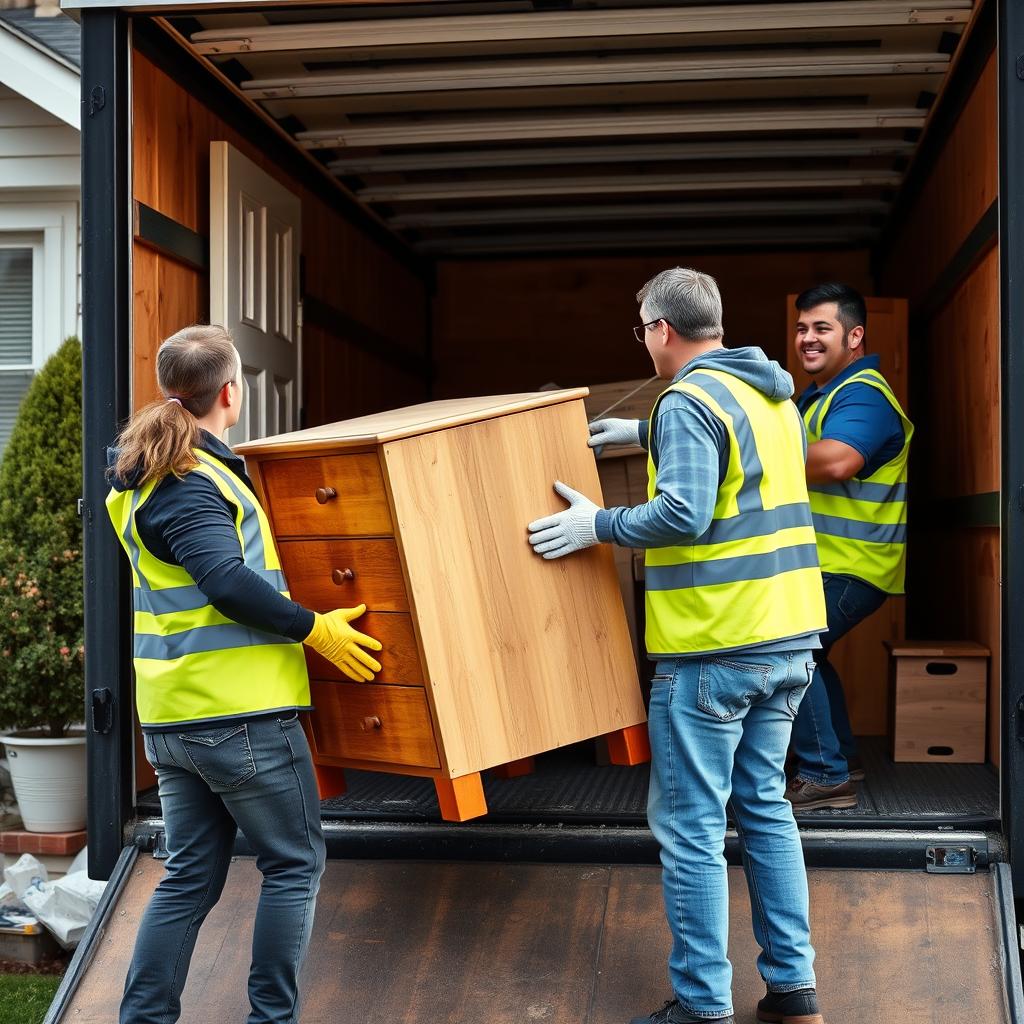
Junk removal looks simple from the outside: pick stuff up, haul it away, get paid. But from an insurance standpoint, it's a legitimately complex operation. Your crew is inside clients' homes and businesses, lifting heavy and awkward items, loading them onto trucks, and driving through traffic to disposal sites. Any one of those steps can produce a claim.
Here's what insurance a junk removal business actually needs — required coverages, smart-to-have coverages, and what clients and municipalities typically demand before they'll hire you.
Required Coverages
General Liability Insurance
General liability (GL) is the foundation of any junk removal insurance program. It covers bodily injury and property damage that you or your crew cause to third parties during the course of your work. Examples of what GL covers:
- A crew member drops a heavy appliance that cracks a client's hardwood floor.
- A client trips over equipment your crew left on the front walkway.
- Your truck backs into a fence at a residential job.
Standard limits for junk removal: $1,000,000 per occurrence / $2,000,000 aggregate. Many commercial clients and municipal contracts require at least these limits, and some ask for $2M/$4M. GL is also required to get a business license in many jurisdictions.
Commercial Auto Insurance
Your pickup trucks, box trucks, and flatbeds are business vehicles — your personal auto policy will not cover them, full stop. Commercial auto covers liability (damage and injury you cause to others) and physical damage (repairs or replacement of your own vehicles).
If your drivers get into an accident while hauling a load of furniture and mattresses, the commercial auto policy responds first for bodily injury and property damage to others. This is non-negotiable coverage for any junk removal operation with vehicles on the road.
Workers' Compensation
Nearly every state requires workers' compensation if you have employees — and junk removal is physically demanding work with a meaningful injury rate. Back injuries, strains, cuts from sharp debris, and slip-and-fall incidents on client properties are all common claims.
Workers' comp covers your employees' medical bills and lost wages when they're hurt on the job — and keeps you from being personally sued by injured workers in most states. Even solo operators should consider it in states where it's required or where clients demand a certificate.
Smart-to-Have Coverages
Pollution Liability
Junk removal contractors regularly encounter materials that can create environmental liability: old electronics (e-waste), fluorescent bulbs (mercury), appliances with refrigerants, paint and solvents, and occasionally treated or contaminated materials that aren't obvious at pickup.
A standard GL policy excludes pollution claims. If a drum of old solvent leaks out of your truck at a job site or during transport, a pollution liability policy is what responds. This isn't theoretical — environmental cleanup costs can be substantial, and carriers pursue responsible parties aggressively.
Inland Marine / Equipment Floater
Your dollies, ramps, straps, hand trucks, and specialty lifting equipment aren't expensive individually, but they add up — and they're not covered under your GL or commercial auto. An equipment floater covers your tools and equipment against theft, loss, and damage, on and off the truck.
Commercial Umbrella
A standard GL and auto program gives you $1M per occurrence. An umbrella policy extends that limit — typically to $2M, $3M, or $5M — for a relatively modest additional premium. If you're doing commercial contracts, large municipal jobs, or high-volume residential work, umbrella coverage gives you a buffer against serious claims that exhaust your underlying limits.
What Clients and Municipalities Require
Residential clients typically don't ask to see your insurance before you haul away a couch, but they can sue you if something goes wrong. Having GL in place is your protection, not theirs.
Commercial property managers and businesses often require a certificate of insurance before you start work, with their entity named as an additional insured. Standard minimums: $1M GL, commercial auto liability.
Government contracts — municipal cleanup contracts, disaster debris contracts, utility work — typically require higher limits ($2M–$5M GL), workers' compensation, commercial auto, and sometimes pollution liability. You'll need to provide a certificate of insurance and often a copy of the policy declarations.
Apartment complexes and HOAs frequently require additional insured status on your GL policy and a minimum of $1M auto liability before permitting removal work on their property.
Bundling for Savings
Running your GL, commercial auto, and workers' comp through the same specialty broker — ideally with a carrier that writes all three — often unlocks package pricing. For a small junk removal operation, a bundled program can run $300–$600/month depending on revenue, headcount, and fleet size.
Placing policies piecemeal with different carriers at different renewal dates creates gaps and administrative headaches. One broker, one renewal, one certificate of insurance: cleaner and usually cheaper.
Real-World Scenarios
Scenario 1: Your crew is removing old gym equipment from a school. They drag a weight rack across a newly refinished gymnasium floor, leaving deep gouges. The school's claim is $8,000. Your GL policy covers it after your deductible — and you keep the client relationship.
Scenario 2: A crew member throws out his back loading a refrigerator. He's out for six weeks. Workers' comp covers his medical bills and two-thirds of his wages while he recovers. Without it, you'd be looking at a lawsuit and out-of-pocket medical costs.
Scenario 3: You land a municipal debris removal contract after a windstorm. The city requires a COI with $2M GL, commercial auto, and workers' comp before you can start. Because you already have the program in place, you're on the job while competitors are scrambling to get insured.
The takeaway: junk removal insurance isn't a checkbox. It's what keeps a bad day from becoming a business-ending event. Get the right coverage in place before you take that next job.
Need this coverage for your hauling operation?
Get a real quote in about 15 minutes — we shop A-rated specialty trucking and contractor markets.